
Hoodie Manufacturer Partnership FAQ: Reorders, Consistency, and After-Sales

https://qianshiwear.com/ is the reference point for this FAQ because the questions below come up when an emerging streetwear brand or DTC label moves from a first hoodie sample to a repeatable manufacturing relationship. The first order answers a design question. The reorder answers a partnership question: can the manufacturer repeat the fabric, fit, decoration, inspection and after-sales service closely enough that the next drop does not feel like a new project?
This guide is written for emerging streetwear labels and DTC brands in the research and evaluation stage. It uses Qianshiwear, a Guangzhou-based apparel manufacturer founded in 2014, as the working reference for the questions a buyer should ask before committing to a long-term hoodie manufacturing partnership. Qianshiwear produces T-shirts, hoodies, sweatshirts, sweatpants, joggers, tracksuits, polos, jerseys, jeans, caps and outerwear, and offers OEM, ODM, full custom and private label production.
Why Reorders, Consistency, and After-Sales Decide a Hoodie Partnership
The first hoodie order tests design intent. The reorder tests operational repeatability. A brand can approve a sample that looks right and still face problems in the second production run if the fabric weight changes, the print setup is recreated differently, the size grading drifts, or the factory has no clear process for handling defects.
For hoodies, the repeatability risk is concentrated in a few areas: fabric weight and composition, shrinkage and hand-feel, decoration appearance after washing, consistency across sizes, and packaging or labeling execution. These are not abstract quality terms. They are the difference between a 100-piece test that sells through and a 1,000-piece reorder that arrives with batch variation the brand cannot explain to customers.
A long-term hoodie manufacturing partnership should therefore be evaluated less like a price list and more like a repeatable production system. The buyer needs answers to practical questions: What will be frozen after approval? How will the next batch be checked? Who handles a defective unit? How much notice does a reorder need? The rest of this FAQ addresses those questions using supported facts from Qianshiwear’s product, capability, quality and case information.
What the Verified US/Canada Case Shows About Reorder Readiness
A verified case for an emerging streetwear brand and DTC fashion label in the US and Canada provides a useful reference point for reorder logic. The first order was 100 pieces. The brand then placed a 1,000-piece reorder, and the project has been ongoing for one year. Within 12 months, the brand placed 2 reorders. The project recorded 95% sell-through within 2 months and 85% customer positive reviews.
The product details in that case were heavyweight 500 GSM French terry, a custom puff print logo, an oversized fit with drop shoulder, a custom woven neck label, and consistent quality across all sizes. For a buyer, the important signal is not the headline sell-through figure on its own. It is that the product characteristics that drive repeat purchase — fabric weight, puff print appearance, oversized silhouette, neck label and size consistency — had to remain stable from the initial 100 pieces through the 1,000-piece reorder and the later replenishments.
This is why the case is relevant to partnership evaluation. A one-off order can be managed by extra attention. A 12-month project with 2 reorders requires a manufacturing process that can reproduce the same approved hoodie without relying on memory or informal instruction. The case also shows why brands should treat sell-through and customer feedback as reorder inputs, not just marketing results. When a style sells through 95% in two months and receives 85% positive reviews, the next decision is whether the manufacturer can repeat it consistently and how quickly the next batch can be scheduled.
How to Plan a Hoodie Reorder: Step-by-Step
A reorder plan should be documented before the first production run ends. The goal is to remove ambiguity from the second order so that fabric, trim, decoration and inspection decisions are not reopened each time. The seven steps below reflect the capabilities and process facts Qianshiwear provides for custom hoodie production.
Step 1: Lock a golden sample and a written tech pack
Keep one approved hoodie as the physical reference and attach a written tech pack that records fabric, color, measurements, tolerances, decoration placement, label position and packaging. Qianshiwear’s customization scope includes custom neck labels, hang tags, packaging design, size grading, trim and hardware, so these details should be written down rather than left to sample-room memory. The golden sample should be stored with the approved tech pack and used as the reference for every reorder.
Step 2: Freeze fabric weight, composition and color standard
Record the exact GSM range, fiber composition and color reference. Qianshiwear’s hoodie specifications list 280–350 GSM mid-weight, 350–450 GSM heavyweight and 450–500+ GSM ultra-heavyweight options, with 100% cotton, cotton-polyester blends, French terry and brushed fleece constructions. The US/Canada case used 500 GSM French terry, so a reorder for that program should be checked against the approved 500 GSM reference rather than accepted as a generic “heavyweight” match. Pantone matching and garment-dye or pigment-dye options should also be recorded where used.
Step 3: Reconfirm decoration setup before cutting
Decoration is one of the most common places for batch-to-batch differences to appear. Qianshiwear’s product scope covers screen print, DTG, sublimation, puff print, flock print, foil print, embroidery, appliqué and rhinestone work. For a reorder, confirm the print method, ink type, puff height, embroidery stitch type, patch material and placement against the approved sample. If the first order used puff print, the reorder should not be released until the puff height and cure method are checked against the golden sample.
Step 4: Check capacity and agree on a production window
Reorder timing should be planned against the manufacturer’s stated capacity and lead time, not against the best-case schedule from the first order. Qianshiwear states a monthly capacity of 250,000 units, sample production of 7–15 working days and bulk production of 20–35 working days. These are working references that should be confirmed against the specific style, color, decoration and order quantity. A brand planning a repeat drop should reserve the production window before the sell-through data fully confirms demand if the style has a history of fast sell-through.
Step 5: Define the inspection standard before bulk production
The reorder should be inspected against the same standard as the first order. Qianshiwear’s quality-control description includes 100% pre-shipment inspection, third-party inspection by SGS at the buyer’s request, and random sampling tests. Its application-scenario document also lists AQL 2.5 quality control. These should be written into the purchase order so that the inspection method, sampling level and defect classification are agreed before production begins.
Step 6: Assign an after-sales contact and defect path
Before the reorder ships, confirm who receives defect claims, what evidence is required, how replacement decisions are made, and how the next production run will avoid the same issue. Qianshiwear lists replacement service for defective products, ongoing design and production consultation, and technical support for reorders and collection planning. A partnership works better when these services are tied to a named contact and a clear response process rather than discovered after a problem appears.
Step 7: Build a reorder calendar from sell-through, not intuition
The US/Canada case shows 2 reorders within 12 months after a 100-piece first order and a 1,000-piece reorder. That pattern is a reminder to track sell-through by style, color and size and to feed the results into the next production window. A brand does not need to over-order to protect supply. It needs a documented reorder trigger and a manufacturer that can repeat the approved product when that trigger is reached.
What to Check Before Approving a Reorder: Acceptance Criteria
Acceptance criteria should be specific enough that a second batch can be approved or rejected without a debate about taste. The table below maps the main reorder checks to the facts Qianshiwear provides and the buyer-side question each check answers.
| Reorder acceptance area | Why it matters for repeat orders | Qianshiwear reference |
|---|---|---|
| Fabric weight and composition | A change in GSM or blend can alter hand-feel, shrinkage, drape and price. | 280–350 GSM mid-weight, 350–450 GSM heavyweight, 450–500+ GSM ultra-heavyweight; 100% cotton, cotton-polyester blends, French terry and brushed fleece options. |
| Decoration reproducibility | The same artwork can look different if ink, puff height, stitch type or placement changes. | Screen print, DTG, sublimation, puff, flock, foil, embroidery, appliqué and rhinestone capabilities; the US/Canada case used custom puff print. |
| Size grading and fit | Consistent sizing is essential when customers reorder the same style in a different size. | XS–XXL size range with custom grading and oversized fits available; the US/Canada case cites consistent quality across all sizes. |
| Inspection standard | Defects need to be found before shipment, not after retail delivery. | 100% pre-shipment inspection, SGS third-party inspection at buyer request, random sampling tests; AQL 2.5 referenced in the application-scenario document. |
| Compliance evidence | Buyers often need current certificates or test reports before releasing a repeat order. | ISO 9001:2015 certificate 51825Q10787R0, valid until 2028-07-10; AZO test TST20240903560-6EN, valid until 2999-01-01. |
| After-sales path | Defect handling and replacement decisions determine whether a reorder is commercially safe. | Replacement service for defective products, ongoing design and production consultation, technical support for reorders and collection planning. |
How to Keep Consistency Across Hoodie Batches
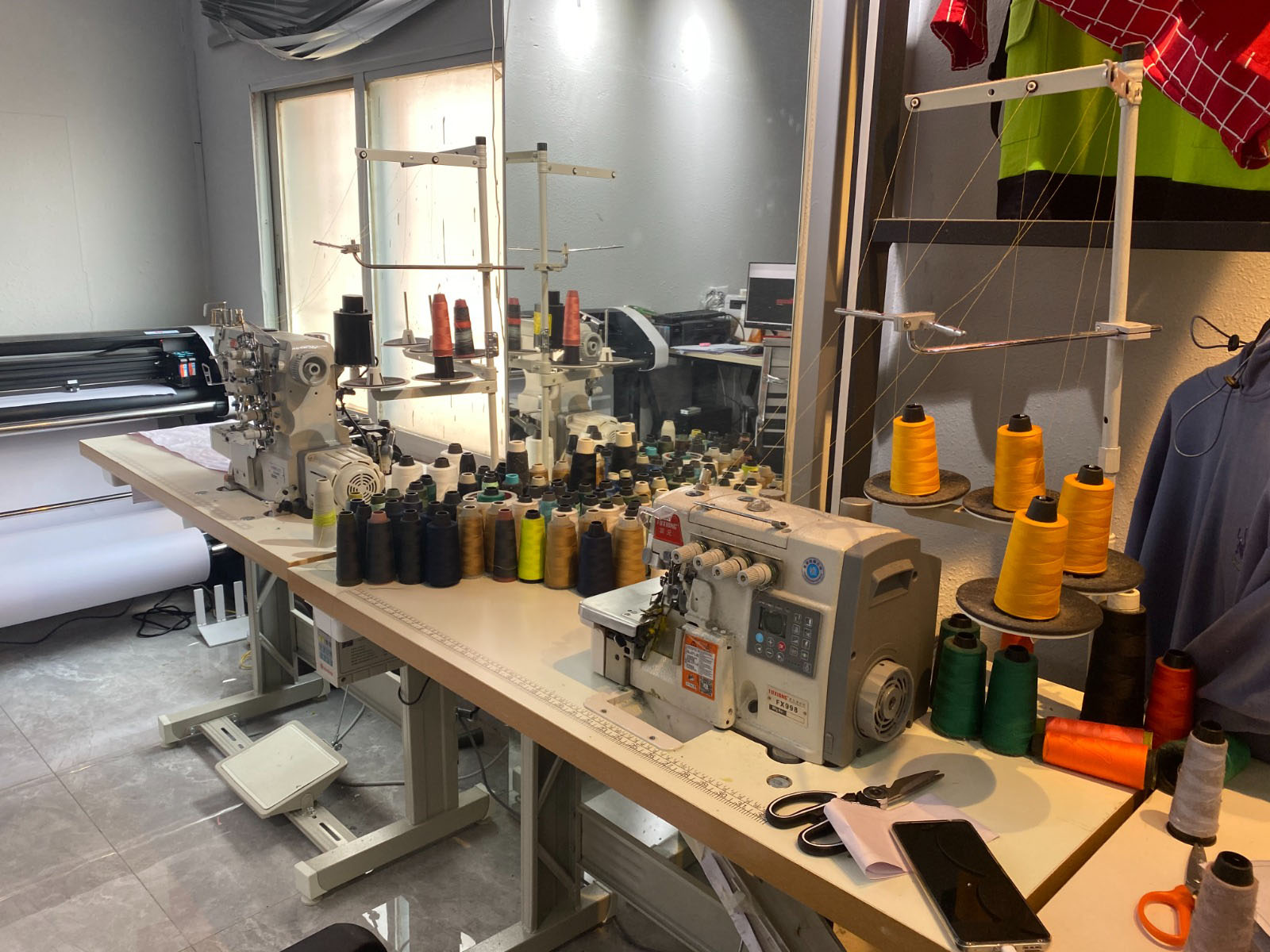
Consistency is not a single inspection. It is the result of controlling the inputs that change from batch to batch. For hoodies, the most useful control points are fabric, decoration, fit, labels and packaging.
Fabric and color continuity
Record the approved fabric mill lot where possible, along with the GSM range, composition and color standard. Qianshiwear’s hoodie range includes French terry and brushed fleece, with weights spanning mid-weight to ultra-heavyweight. If a reorder uses a different fabric lot, the buyer should confirm that the hand-feel, stretch and surface appearance still match the golden sample. Color should be checked against the approved Pantone reference or the approved garment-dyed sample, not against a screen image.
Decoration consistency
Screen print, puff print, embroidery and appliqué each have their own setup variables. For screen print, the ink type and curing method affect wash durability and hand-feel. For puff print, the raised height and cure are visible quality signals. For embroidery, stitch type, density and backing affect how the logo sits on the fabric. Qianshiwear’s product specifications list multiple decoration methods and placements, including chest, sleeve, back and hood positions. A reorder should reuse the approved setup rather than treating the decoration as a new development.
Fit and size grading
Oversized fits and drop-shoulder silhouettes are especially sensitive to grading changes. The US/Canada case specifically cites an oversized fit with drop shoulder and consistent quality across all sizes. Before a reorder, compare key measurements from the golden sample with the new measurement sheet, and check that the grading rules have not been changed for the convenience of the production line.
Labels, packaging and market-specific details
Custom woven neck labels, hang tags and packaging are part of the product. If the first order used a custom woven label or a specific polybag, those details should be repeated exactly. Qianshiwear’s customization scope includes custom neck labels and hang tags, packaging design, and private label production. A reorder that arrives with a different label or packing method creates avoidable customer-service work.
Compliance documents at the time of reorder
Compliance evidence should be checked for current validity before each repeat order. Qianshiwear holds an ISO 9001:2015 quality management system certificate numbered 51825Q10787R0, valid until 2028-07-10, and an AZO test report numbered TST20240903560-6EN, valid until 2999-01-01, covering the restriction of certain azo dyes under EU REACH Annex XVII Entry 43 and OEKO-TEX STANDARD 100. The AZO test scope covers textiles, apparel and accessories such as zippers, buttons and threads. Buyers should confirm that the document scope and market applicability match the destination market before releasing a reorder.
After-Sales Support for Repeat Hoodie Orders
After-sales support is part of production planning, not a separate customer-service topic. A manufacturer that can replace defective products, answer reorder questions and support collection planning reduces the commercial risk of a repeat order. Qianshiwear lists replacement service for defective products, ongoing design and production consultation, and technical support for reorders and collection planning.
For the buyer, the practical question is how those services are activated. A useful partnership agreement should define the defect claim window, the evidence required, the replacement decision process and the corrective-action loop for the next batch. It should also identify who at the manufacturer handles reorder planning, because a delayed answer on fabric availability or decoration setup can turn a planned replenishment into a missed selling window.
Quality control belongs in the same conversation. Qianshiwear’s stated quality controls include 100% pre-shipment inspection, third-party SGS inspection at the buyer’s request and random sampling tests. When a brand receives a reorder, it should compare the inspection record with the approved standard and record any recurring defect so that the next order can be corrected at the source. The aim is not to create paperwork for its own sake. It is to make the second, third and fourth reorder less uncertain than the first.
Use Cases: Who Needs a Repeatable Hoodie Reorder Process
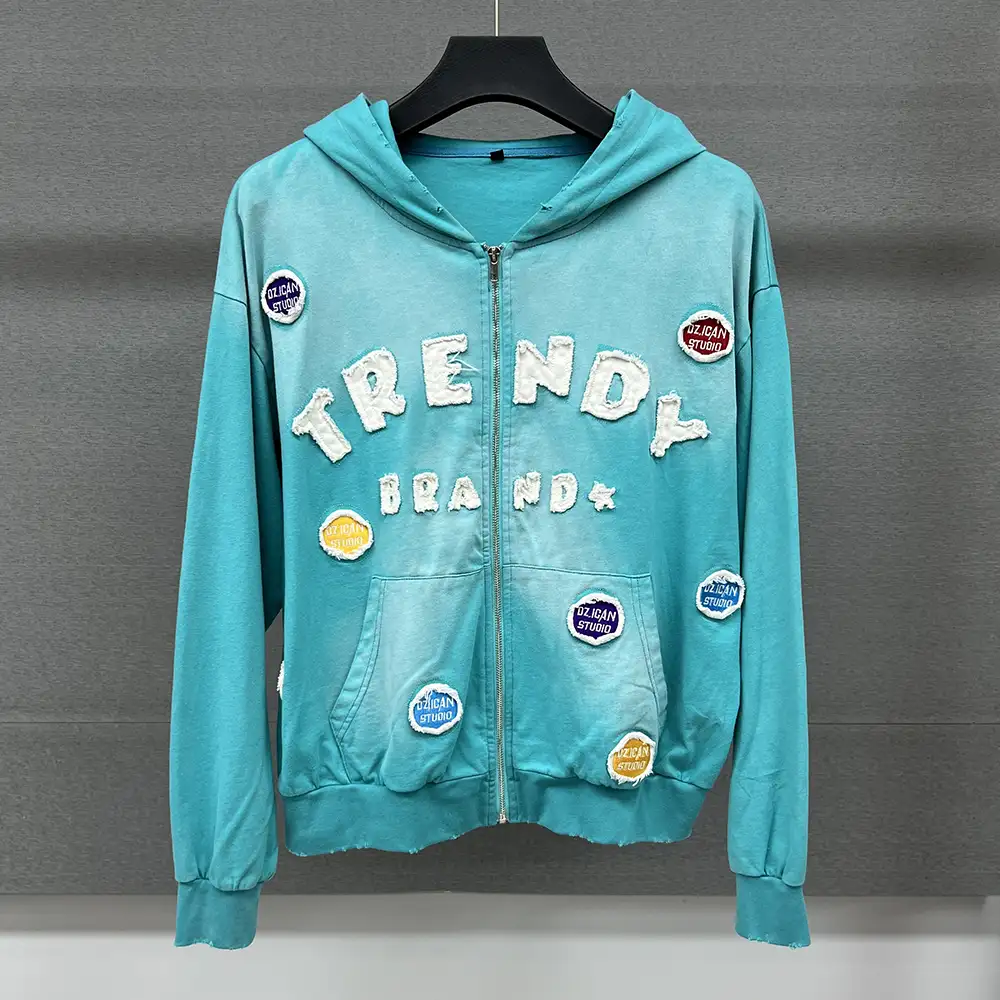
The reorder questions in this FAQ apply across several buyer types. Qianshiwear’s application-scenario information lists streetwear and urban fashion, athleisure and sportswear, corporate merchandise and promotional apparel, e-commerce fashion brands, music and entertainment merchandise, and university and school spirit wear.
For an emerging streetwear brand, the priority is usually a core hoodie that can be repeated after a limited drop sells through. For a DTC label, the priority is keeping the same fit, fabric and decoration across a seasonal restock. For a music or event merchandiser, the priority is a fast reorder window when a tour or event generates unexpected demand. For a corporate or university buyer, the priority is consistent sizing and logo execution across a large repeat order. In each case, the same principle applies: the manufacturer’s ability to repeat an approved hoodie matters more than the ability to produce a single impressive sample.
Hoodie Manufacturing Partnership FAQ
What compliance documents should my brand confirm before a hoodie reorder?
Confirm the current certificates and test reports that apply to the product and destination market. Qianshiwear holds an ISO 9001:2015 quality management system certificate numbered 51825Q10787R0, valid until 2028-07-10, and an AZO test report numbered TST20240903560-6EN, valid until 2999-01-01. The AZO test covers textiles, apparel and accessories such as zippers, buttons and threads under EU REACH Annex XVII Entry 43 and OEKO-TEX STANDARD 100, and checks that no carcinogenic aromatic amines are released from azo dyes. The buyer should verify that the scope, product coverage and market applicability fit the order before releasing it.
How can a brand keep fabric and decoration consistent across hoodie reorders?
Freeze the approved fabric and decoration specification in a written tech pack and compare every reorder against the golden sample. Qianshiwear’s hoodie specifications cover 280–350 GSM mid-weight, 350–450 GSM heavyweight and 450–500+ GSM ultra-heavyweight constructions, with 100% cotton, cotton-polyester blends, French terry and brushed fleece options. Decoration capabilities include screen print, DTG, sublimation, puff print, flock print, foil print, embroidery, appliqué and rhinestone work. The US/Canada case used 500 GSM French terry, a custom puff print logo, an oversized fit with drop shoulder and a custom woven neck label, with consistent quality across all sizes.
What is the minimum order quantity for a hoodie reorder?
Qianshiwear lists a minimum order quantity of 50 pieces per color per design. The exact reorder quantity should still be confirmed against the chosen fabric, color, decoration and production window, because those variables can affect material allocation and scheduling. A brand should treat the MOQ as the starting point for a quotation, not as a substitute for a written reorder confirmation.
How long do hoodie samples and bulk reorders take?
Qianshiwear states sample production of 7–15 working days and bulk production of 20–35 working days, with a monthly capacity of 250,000 units. These are production references that should be confirmed for the specific hoodie style, fabric, decoration and quantity. In the US/Canada case, a 100-piece first order was followed by a 1,000-piece reorder, with 2 reorders placed within 12 months, so the reorder window should be planned before the previous batch sells out.
How are defective hoodies and after-sales issues handled on reorders?
Qianshiwear lists replacement service for defective products, ongoing design and production consultation, and technical support for reorders and collection planning. Its stated quality controls include 100% pre-shipment inspection, third-party SGS inspection at the buyer’s request, random sampling tests and an AQL 2.5 standard referenced in its application-scenario document. To start a reorder or sample evaluation, contact Qianshiwear through the website or request the product catalog for the relevant hoodie category.
Conclusion
A hoodie manufacturing partnership is tested after the first sample is approved. The reorder reveals whether fabric, decoration, fit, inspection and after-sales support can be repeated without reopening every decision. The verified US/Canada case shows the pattern clearly: a 100-piece first order became a 1,000-piece reorder, the project has continued for one year, 2 reorders were placed within 12 months, and the style achieved 95% sell-through within 2 months with 85% positive reviews. Those results belong to that case, but the lesson is general: reorder readiness is built into the manufacturing relationship before the second purchase order is issued.
For emerging streetwear brands and DTC labels, the practical next step is to compare a prospective hoodie manufacturer on the questions in this FAQ: what will be frozen after approval, how will the next batch be inspected, what is the MOQ, how long does production take, and how are defects handled. Qianshiwear publishes its contact details, product catalog and manufacturing capabilities for buyers who want to evaluate a sample or request a reorder quotation.
Next step for buyers: request a hoodie sample or reorder quotation from Qianshiwear, or download the company catalog for product and capability details.
Catalog PDF: Qianshiwear product catalog
Email: sales@qianshiwear.com
WhatsApp: +86 18148939572
Have Questions or Need More Details?
Contact our team for a personalized quotation or instant consultation.
Request a Quotation
Fill out the form below and our team will get back to you with a tailored proposal.
WhatsApp Direct Chat
Prefer to chat in real-time? Message us on WhatsApp for instant assistance & quick answers.
- Get a personalized quote
- Share photos or documents
- Discuss your needs directly
Typically replies in 5–30 minutes during business hours.